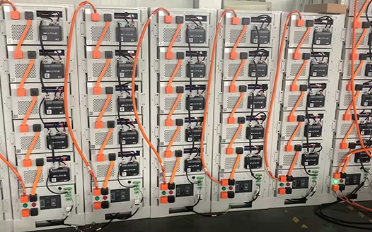
Utility-scale solar, battery storage, hydropower, wind and waste-to-energy solutions reduce carbon intensity while improving reliability.
Sustainability
Empowering change, one green step at a time.
Our professional engineers connect renewable energy, resilient infrastructure and environmental stewardship to real business outcomes.
Our focus
Build the asset.
Protect the system around it.
Energy-saving process technologies, captive power and robust monitoring help industrial assets use fewer resources and operate with greater stability.
Water, erosion and land-management measures protect infrastructure, communities and ecosystems over the long term.

Water erosion
Nature’s sculptor.
Humanity’s challenge.
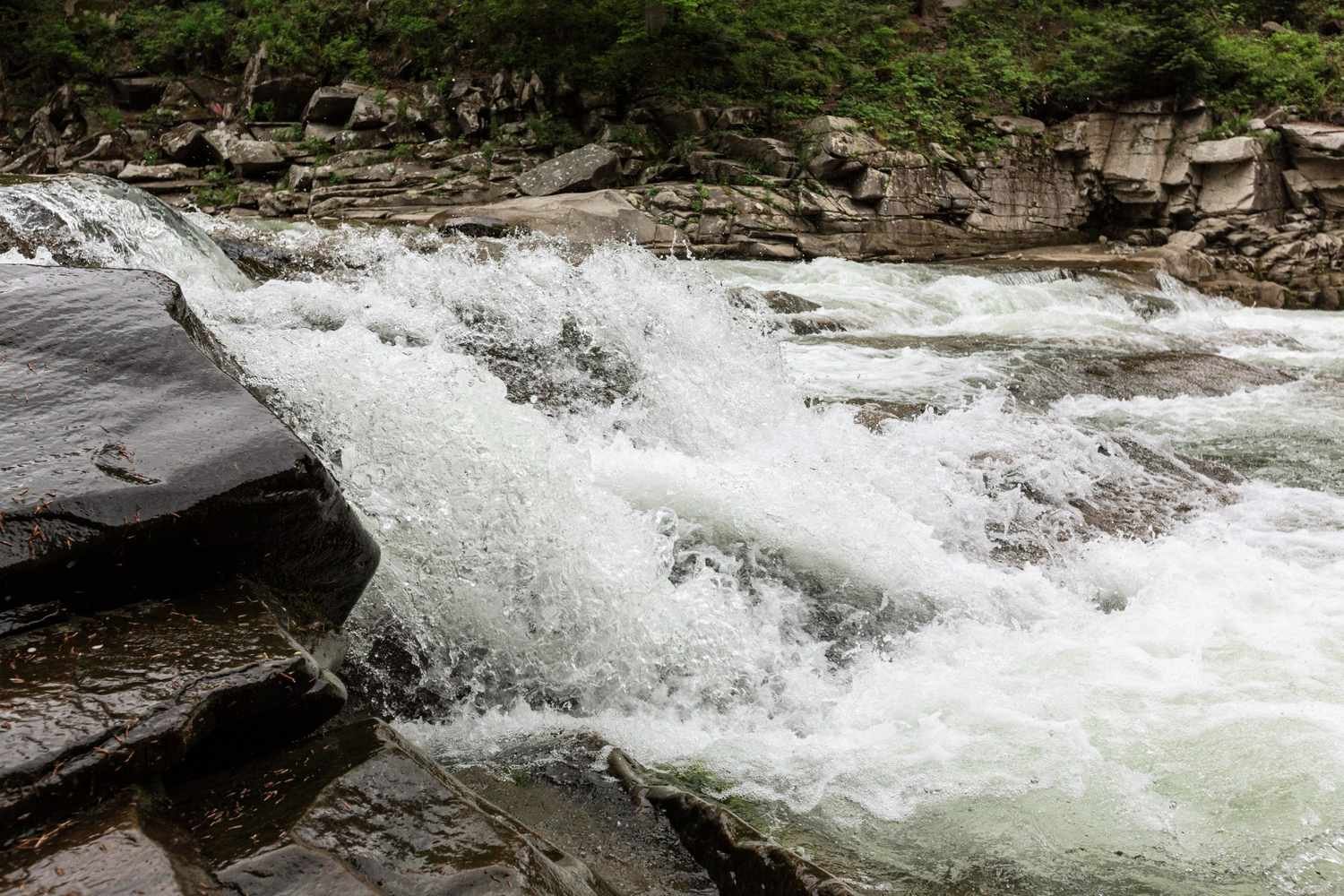
Water erosion is caused by uncontrolled water flow, mainly during high-rainfall and runoff periods. It affects roads, rivers, embankments and structures, often with dramatic results.
When gutters, culverts, riverbanks and flood plains are left unattended, remedial work becomes essential. The objective is direct: stop the flow, save the soil and protect the asset.
Remedies
Control the water.
Stabilise the land.
Each intervention is selected against the site, flow regime, soil condition, environmental context and the infrastructure at risk.
Culverts
Culverts manage water flow beneath roads, railways and trails. They control the speed and direction of water, reduce soil loss and protect infrastructure while preserving surrounding landscapes.
Erosion control · Infrastructure protectionGutters
Well-designed drainage captures runoff from roofs and paved surfaces and moves it away from foundations and landscapes, reducing erosion, flooding and structural damage.
Surface-water management · Property protectionWater channels
Strategically designed channels divert water from vulnerable areas. Concrete, rock or vegetation linings stabilise the soil and reduce degradation where flowing water would otherwise cause damage.
Flow diversion · Soil stabilisationShore protection
Coastline and riverbank strategies protect land, settlements, infrastructure and sensitive ecosystems. The right response depends on shoreline conditions, erosion extent, local ecology and budget.
Riverbanks · Coastlines · Flood plainsGeotextile matting
Erosion-control blankets and mats form protective barriers against water forces, manage runoff and safeguard landscapes and infrastructure across civil, construction and conservation work.
Runoff control · Protective barriersPlanting vegetation
Native vegetation softens industrial landscapes, supports biodiversity, restores habitats, absorbs pollutants, improves soil health and helps manage stormwater runoff.
Biodiversity · Air, soil and water qualitySustainability in practice
20 MWp solar.
10 MWh storage.
One integrated system.
See how renewable generation, battery storage, environmental safeguards and local skills transfer come together in the Uganda project.
Read the case study