
Executive summary
This case study presents the development, engineering, installation and commissioning of a 20 MWp utility-scale solar photovoltaic power station in Uganda.
RESDAC Systems Limited designed, installed and project-managed the fully integrated solar and battery-storage facility, exporting power at 33kV to the national grid.
The facility strengthens Uganda's renewable-energy portfolio while improving grid stability and peak-demand management.
Background and objectives
Growing electricity demand and national renewable-energy targets created the need for clean generation capacity that supports grid stability, reduces reliance on fossil-fuel peaking plants, improves electrification reliability and contributes to national climate commitments.
Project objectives
- Develop a 20 MWp grid-connected solar plant
- Integrate 10 MWh battery storage
- Export at 33kV through a dedicated switchyard
- Maintain availability above 99% and optimise performance
- Operate securely through a centralised EMS
Site and security
Site
- Location: Uganda, East Africa
- Total area: 100 hectares
- Predominantly flat topography
- Utility-scale renewable-energy land use
- Fully fenced perimeter with integrated monitoring
Security infrastructure
- Anti-climb fencing
- Vibration-detection cables
- Day/night IP cameras
- Controlled-access gates
- On-site security personnel
- Integrated alarm reporting to the CCR
System design
Solar PV array
- 20 MWp installed capacity
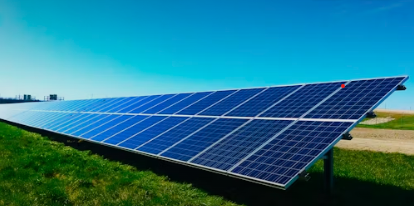
- 40,000 ground-mounted modules
- 2 × n dual-row layout
- 20 MW AC capacity
- Distributed inverter topology
Why the 2 × n configuration
- Optimised land use
- Improved airflow and thermal performance
- Efficient maintenance access
- String balancing
- Reduced shading losses
Inverter system
- 40 × 500 kW networked inverters
- Real-time monitoring and remote diagnostics
- Power-factor control
- Voltage and frequency regulation
- Redundancy, fault isolation and maintenance flexibility
10 MWh Battery Energy Storage System
The BESS is grid-connected through an EMS-controlled interface.
- Peak shaving
- Ramp-rate control
- Frequency support
- Voltage stabilisation
- Energy shifting
- Improved dispatch flexibility and grid compliance
| Parameter | Specification |
|---|---|
| Installed capacity | 20 MWp |
| Modules | 40,000 |
| Mounting | Ground-mounted |
| PV configuration | 2 × n dual-row |
| BESS | 10 MWh |
| Grid export | 33kV |
Grid connection and 33kV switchyard
The on-site switchyard exports power at 33kV and provides safe synchronisation, fault isolation, revenue-grade metering and grid-code compliance.
- Step-up transformers
- 33kV circuit breakers
- Protection relays and coordination
- Metering equipment
- SCADA integration
Control and monitoring infrastructure
Central Control Room
- Energy Management System
- SCADA servers
- Communication infrastructure
- Grid-interface controls
- Security-system monitoring
- Environmental dashboards
Energy Management System
- Real-time plant monitoring
- Inverter-level diagnostics
- BESS dispatch control
- Alarm management
- Remote access
- Historical analytics
- Grid-support functionality
- Integration of PV, battery, switchyard protection and security systems
Engineering and project delivery
Engineering
- Site feasibility and geotechnical assessment
- Electrical and civil design
- Protection, load-flow and short-circuit studies
- Grid-interconnection design
- Security-systems engineering
Construction
- Site preparation
- Mounting structures and 40,000 panels
- 40-inverter deployment
- DC/AC cabling and trenching
- Transformers and 33kV switchyard
- 10 MWh battery integration
- CCR and perimeter-security construction
Project management
- End-to-end project management
- Procurement coordination
- Contractor supervision
- QA/QC and HSE
- Schedule and budget control
- Commissioning oversight
Health, safety and environment
- Full HSE management plan
- Zero major lost-time incidents
- Environmental-impact mitigation
- Dust suppression
- Controlled waste management
- Biodiversity protection
Commissioning and performance
The plant achieved commercial operation following utility approval.
Testing
- String testing and IV-curve verification
- Inverter functional testing
- Transformer and switchgear testing
- Protection-relay calibration
- Battery performance testing
- SCADA and EMS integration
- Grid-synchronisation approval
Expected performance
- 20 MWp installed capacity
- Availability above 99%
- Industry-compliant performance ratio
- Annual generation dependent on site irradiation
- EMS-optimised battery dispatch
Grid impact
- Improved voltage stability
- Reduced intermittency
- Peak-demand support
- Reduced fossil-fuel dependency
Economic and social impact
Economic impact
- Increased renewable capacity in Uganda
- Reduced carbon intensity
- Long-term electricity-price stability
- Attraction of green investment
Social impact
- Local employment during construction
- Skills transfer to local technicians
- Improved regional energy reliability
- Support for national energy-access goals
Risk management and lessons learned
Risks mitigated
- Grid instability through BESS
- Equipment failure through distributed inverters
- Security threats through integrated surveillance and vibration detection
- Weather impact through robust mounting
- Downtime through EMS-driven predictive maintenance
Lessons learned
- Early grid coordination reduces commissioning delays
- Integrated EMS and BESS improve dispatch value
- Distributed inverter topology improves maintainability
- Security integration belongs in the design stage
Sustainability impact
Engineering that moves the energy system forward.
- 100% renewable energy generation
- Significant annual CO₂-emissions offset
- Support for Uganda's renewable-energy strategy
- Alignment with global climate objectives
Explore the complete RESDAC project legacy.
Back to the timeline